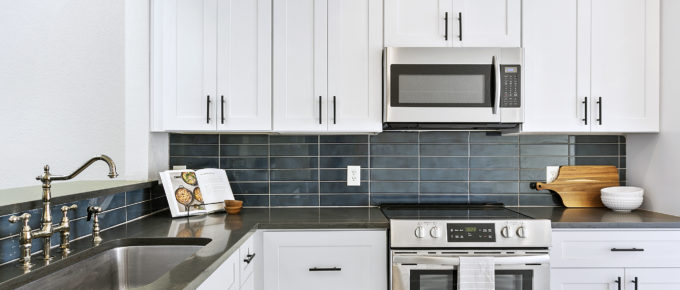
Is a Home Warranty included on the purchase of an Arizona Short Sale?

The prices of properties have improved significantly in past 2 years, so you may be looking to sell your property. With the improvement in real estate market, your agent may consider it unnecessary to offer a home warranty, where normally most would advocate to offer one. But, how does a warranty apply in an Arizona short sale? Let us find out some important benefits of a home warranty and examine both of these viewpoints in detail.
 
Why get a Home Warranty?
 
When it comes to home warranties, there are lots of advantages associated with it. A home repair warranty will cover any type of breakdowns in the major systems of the house. It is very lucrative to buyers who do not have enough money to address any major repairs after the purchasing a home through the Arizona short sale process. Moreover, buying home warranties will allow you to cover any breakdowns or damages that may happen while your home is marketed to the potential clients.
 
short sale arizona A home warranty works like any other insurance and the money that you have invested in the insurance will be recovered in case of any major failure. However, if your manufacturer warranty is still applicable to your house, a home warranty may even prove redundant.
 

Who pays for a Home Warranty on an Arizona Short Sale

 
Home warranties can be quite expensive in nature and you may be required to pay hundreds of dollars according to the coverage you buy. On top of that, you may even have to pay up to $100 as a service fee upon every call. In Arizona, an average home warranty may cost anywhere from $300-$500, and many Buyers will ask the Seller to pay for it.
 
But, if you’re doing an Arizona short sale, the bank may not allow that expense, since they’re the ones paying commissions, title fees, etc. Your agent may chip in for you to have a warranty though, if you so desire. But in the case of a short sale, it’s not up to the Sellers to negotiate if they will pay for one (for the buyer) or not.
 
What’s covered, what’s not
 
Always keep in mind that these warranties have some limitations too. None of the static elements of your house are covered under this warranty. A home warranty covers operating systems that often tend to breakdown including electric wiring, heating, air conditioning, garbage disposals, and even plumbing. You can also buy some additional top-ups for mechanical elements including hot tub and your pool.
 
If you are looking for a home warranty, keep in mind that cost, exclusions, and caps may differ from one company to another. There is a possibility that some companies may offer less coverage for appliances and operating systems that are nearing their end. It is quite similar to the health insurance where the company will consider the benefits offered for pre-existing conditions. The company will be making the call whether the system has to be patched up or replaced entirely.
 
In short, a home warranty provides numerous benefits but somehow, it offers an imperfect protection for you as well as the buyer. When in doubt, propose that the short-selling lender pay for a home warranty, by adding the request into the AAR contract. The bank can only decline to pay for it, whereas you may decide from there to purchase one yourself or see if your sales agent will help cover the cost.
 
Tracy (G+) is an Arizona Short Sale Realtor, Investor, Rehabber, and Foreclosure Expert.
 
She also is an avid blogger, vlogger, contributor to the Bigger Pockets Blog, and consultant on all things Arizona Foreclosures.


Phoenix Real Estate Market Update May 2013


Sales month over month
 
For the last three months, Sales have gone up. In april the final sales figure was 8,775
 
The average over the last 12 months has been around 7,000, so this figure is well above that.
 
Sales year over year
 
Sales were up almost 4% this april over april of 2012. The last 2 years there’s actually been a decline from March to April in Sales, so this reverses that trend.
 
New inventory
 
Were up about 2%, and beat April of 2012’s figure by nearly 8%.
 
Total inventory
 
We’re still stuck around the same figures here, and inventory actually has gone down the last few months. We’re now resting at 20,083 total listings.
 
Months supply
 
We’re still in a sellers market, which we have been for over 2 years.
 
List prices
 
All this depressed inventory levels have led to Sellers that are taking advantage of the situation. Listing prices continue to creep up and now the median list price is at $195,000 and the average list price is at $283,000.
 
Sales prices
 
So we reached our lowest point of pricing in August of 2011. If we look at the most recent sales figures, the average sales price has gained over 50% of that figure, or about 2.5% gain per month since the bottom.
 
If we look at it from the opposite end of where the peak was, which was in May of 2007, we’ve gained back 33.57% of THAT average of $350,000)
 
Whichever benchmark you’re using, though, prices have been slow and steady to rise from the bottom.
 
Foreclosures pending
 
We finally have come below the 10,000 mark, a pretty huge difference from the 50,000 notices we had in November of 2009.
 
We still need to be about half of this though, to be considered a normal market.
 
Distressed sales
 
Distressed sales are still claiming 24% of all sales happening here in Phoenix-metro.
 
Short sales are about 12%, and lender owned sales are about 11%.
 
There’s still plenty of people out there that are upside down, despite rising prices, and lenders processing the homes they’ve taken back.
 
Days on market
 
Still lingers around 70 days as an overall average. There’s some really hot niches around the valley so you’re area may be quicker, or slower to sell.
 
If you’re looking to sell, the market is premium to get top dollar. If you’re interested in knowing what your house could get right now, please contact me directly. You can call me at 602-741-1602 or email me at royceofrealestate@gmail.com.
 
If you’re not ready to sell, though, and enjoy this sort of info, visit me on my Facebook page for all sorts of cool updates and insight about our market.
 
Tracy (G+) is an Arizona Short Sale Realtor, Investor, Rehabber, and Foreclosure Expert.
 
She also is an avid blogger, vlogger, contributor to the Bigger Pockets Blog, and consultant on all things Arizona Foreclosures.


Setting your Arizona Short Sale Up for Success

Getting your Arizona Short Sale done efficiently largely depends on setting expectations
 
Short sales are unpredictable in terms of the time it will require in completing the transaction. A few years back, an Arizona short sale was expected to take as long as 2 years in closure and created stress for all the parties involved in the process. Do you know why it takes so long in closing a short sale transaction? Most of the people would blame financial institutions or banks for the same. However, with the latest upgrades in banking systems, this accusation does not hold true anymore. The past few years have seen a change in the banking systems and there has been a significant rise in the incentives given to the seller as well as the banks in a short sale.
 
Arizona short sale Motivation of the Homeowner
 
The best advice for a short sale agent is to set expectations with all the associated properties in a short sale. There is no doubt about the benefits of a short sale to the homeowner but it will require around 90 to 120 days in proper closure of the deal. Most of the experienced short sale agents are aware of this reality.
 
Generally, an Arizona short sale that involves sellers who don’t care are the one that consume additional time when compared with any similar short sale transaction. Sometimes, these homeowners even end up losing their house in a foreclosure. The motivation level of the seller will affect the motivation of all the other parties involved in the short sale transaction. Let us discuss about the other key players of a short sale process.
 
Key Players involved in a short sale transaction
 
In addition to the seller, bank/lender and the buyer are two important key players of the transaction. You need to keep both of these parties motivated and maintain proper communication with them.
 
Lender/Bank: Banks are among the most crucial and strict foundations in real estate transactions. All your paperwork should be accurate and provided in a timely manner. Keep in mind that all the documents have an age. The bank will require resubmission of the document if they are outdated. It happens a lot in terms of the bank statement and salary stubs provided by the seller. Banks will often close the files lacking recent documents.
 
There is a possibility that you may have to deal with two different banks and submit two copies of all the documents. In most of the cases, you will find it hard to convince the second lien because they do not receive the major part of the money. But a knowledgeable Arizona short sale realtor will negotiate down your debt to an amount that hopefully satisfies all parties.
 
Buyers: A few years back, buyers were the most difficult party to deal with. The low inventories have played a major role in motivating the buyers, but just try to imagine yourself in their position. Most of the buyers have the money and options available to them. Buying a home is an emotional decision in itself. Somehow, if one has to wait for 3-4 months, then how long do you expect them to be interested in the property rather than running away for a better option?
 
Short sales are lengthy and complicated in nature. It is important to set up these expectations at the initial stage of the deal. It will save your effort, money, and time spent on closing a short sale. After all, your time and effort is the most valuable element involved in the process!
 
If you’re searching for an experienced Arizona short sale Realtor who can guide you through the short sale process, please call us today at 602-741-1602.
 
Tracy (G+) is an Arizona Short Sale Realtor, Investor, Rehabber, and Foreclosure Expert.
 
She also is an avid blogger, vlogger, contributor to the Bigger Pockets Blog, and consultant on all things Arizona Foreclosures.


Refi Vs Loan Mod Vs Short Sale on Distressed property

Do you own a distressed property? It can be really confusing to choose to find the best solution for your situation. The three most popular options include short sale, refinance, and loan modifications. Let us find out the pros and cons of each of these methods for your troubled property.
 
Option #1: Refinance
 
What is it? Refinance is an option where you can pay off your loan with a secondary loan which is offered at a lower interest rate.
 
Pros: If you are planning to stay in your house, this option is best for you. Further, people who are looking to solidify the interest rate from an adjustable mortgage situation can opt for refinance.
 
Cons: The main requirement is for you to own some equity. In addition to that, you will be paying some closing cost in the process.
 
There are programs for underwater homeowners that need to refinance, but there are strict criteria must be met, so it is not an option for everybody.
 
Option #2: Loan Modification
 
What is it? A loan modification is defined as a change in the terms of your loan. It may include lowering the current interest rate, affordable mode of payment, and even an extension in the period of the loan.
 
Pros of Loan Modification: Loan modifications are best suited as an option for avoiding a foreclosure. Loan modification like decrease in payments will help you to regain some control on your financial condition.
 
Cons of Loan Modification: According to the real estate expert, loan mods helped less than 5 percent applicants in 2010. It will allow you to lower the payments and avoid a foreclosure. But, you will still have to bear the hidden costs of home ownership.
 
arizona short sale According to some experts, it is simply extending the term of your loan rather than a permanent solution. You will end up in paying more premiums and interest.
 
Arizona Short Sale of Distressed Property
 
What is it? It is an option where the property is sold for a lower price and you get a chance to negotiate the terms for the remaining mortgage balance. With that, you may even get a settle on the mortgage with no deficiency if you complete an Arizona short sale.
 
Pros of Short Sale: The best part about short sales is that it may allow you to get pass the house and you may not have to pay the remaining balance too. You will be required to care of the taxes though. Somehow, you may get relief by the Mortgage Forgiveness Debt Relief Act on your primary residence.
 
Cons of short sale: An Arizona short sale will affect your credit report and it could require at least 12 months in improving your credit ratings. However, there are loan programs for people who recently went through a short sale to buy a home again in a very short amount of time!
 
If you are planning to choose any of these options, make sure to consider their pros and cons. It is best to get expert help for distressed property and talk it through with a qualified attorney and professionals before deciding which one works best for you, or which option to begin with.
 
Tracy (G+) is an Arizona Short Sale Realtor, Investor, Rehabber, and Foreclosure Expert.
 
She also is an avid blogger, vlogger, contributor to the Bigger Pockets Blog, and consultant on all things Arizona Foreclosures.

Photo Credit: ckaroli via Compfight cc


Can you do a Short Sale after Bankruptcy?

Borrowers facing foreclosure may short sale after Bankruptcy
 
Short sales have become very popular since the housing market started to spiral downwards, and even now, while it is trying to recover, many homeowners are using the short sale to avoid foreclosure and try to get out from underneath a house they cannot afford.
 
While the market continues to improve, there are still large numbers of homeowners who owe more on their homes than they could ever afford; and the home values are not rising fast enough to give them any hope that the investment is a wise one. For people who are filing bankruptcy, a financial fresh start is on the horizon. Bankruptcy will allow them to discharge debts that cannot be paid back due to job loss, health problems or major unexpected life catastrophes such as divorce.
 
Short Sale or Bankruptcy
 
bankruptcy and short saleMany people declare bankruptcy and then have their homes foreclosed on. Or, they file a different type of bankruptcy which allows them to keep their homes. Whether you have your mortgage debt discharged in your bankruptcy or you hold onto your home with the intention of trying to keep up with the mortgage payments, you might want to consider a short sale to ease your financial burden and give you a more promising shot at owning another home in the future. Many people may not know you can short sale after bankruptcy. Talk to your bankruptcy attorney, or an expert in real estate law to figure out how to take a negative situation and make it better.
 
Why Short Sale?
 
When you release your home in a short sale, you are essentially selling it for less than you owe. Most lenders do not like to consider short sales because it usually means they are losing money. However, the real estate nightmare over the last five years has been unprecedented and banks and financial institutions are willing to be creative with their mortgages and their consumers. You stand a better shot of talking your lender into a short sale now than you ever did, even if you have recently declared bankruptcy. Talk to your lender about the short sale option. It might work out better for the both of you. The lender will not have to go through the foreclosure process with you, and you will spare your credit report the trauma of listing a foreclosure as well as a bankruptcy.
 
With a short sale on your credit report instead of a foreclosure, you will have a shot at qualifying for a new mortgage in just a matter of years. The best way to do this is to avoid any additional debt, pay all of your bills on time and slowly save as much as you can for a sizeable down payment. It will take a few years for your credit to be established and for you to be an acceptable credit risk for mortgage lenders. However, most financial experts agree that recovering from a short sale is much faster and easier than recovering from a foreclosure.
 
You might worry that your credit is already damaged, since you declared bankruptcy. This is true, but if you are hoping to own another home soon, take the short sale after bankruptcy route if it is available. You will be back on your feet faster.
 
This post was written for Royce of Real Estate by Stephen K Hachey. Stephen is a Florida Real Estate Lawyer specializing in loan modifications, short sales, foreclosure and much more. He is also the owner of his own practice, the Law Offices of Stephen Hachey, PA. This article is for general informational purposes only and does not establish an attorney-client relationship. Please contact a licensed attorney in your state of residence. For more information on our services, please visit our website at www.floridarealestatelawyer.org/.
 
Photo Credit: kenteegardin via Compfight cc


4 Tips to Selling a Home with an Odor

Selling a home with noticeable (and unpleasant) smells!
 
Selling a home can be tough, and adding a bad smell to the equation doesn’t make it any easier. Sellers often put much time and effort into doing repairs, improving the aesthetics, and making a home look presentable, but they often do little to improve a bad smell that may be lingering throughout the entire home.
 
The seller must not undermine the multisensory approach of buyers when scoping out a home. A malodorous environment can be the first thing that causes buyers to run out the door, but thankfully, this is a problem that can be solved. Below are four tips to handle a bad home smell.
 
1. Remove, not conceal. All it takes is one foot in the door to get a whiff of a bad odor. From lingering cigarette smoke to bad pet smells, a bad odor will fill the entire house and give each potential buyer that walks through an experience to remember (not in a good way). You must work to get rid of the smell. This can be done by something as simple as leaving the windows open for an extended period of time, or buying odor-removing sprays that will remove, not conceal, the odor.
 
Hiding the smell with another smell is the worst thing you could do in this situation. No one wants to smell cigarette smoke laced with a lilac or berry scent – it just doesn’t work. Instead of taking the time to conceal a smell, take the time to remove it completely from your home.
 
selling a home 2. Get rid of the odors, one step at a time. Depending on the cause, an odor may take some work to discard completely, and the steps taken to get rid of it will depend on the smell itself. Bad pet smells, for example, can be taken care of by thoroughly cleaning the carpet, vacuuming, washing curtains and upholstery, keeping blankets and towels clean, and leaving litter boxes and other waste areas outside (in some cases, replacing the carpet might be necessary).
 
Using odorous ingredients while cooking can lead to a collection of bad smells accumulated over time. These can be repressed by scrubbing the walls and floors of the kitchen (or even painting, which can also aid the kitchen’s appearance), cleaning all appliances, and avoid cooking with the same ingredients while the home is for sale.
 
The worst home smells undoubtedly come from smoking. Cigarette smoke is absorbed in all cracks and crevices in a house, building up and getting worse as long as the homeowner continues to smoke. Just like it does to hair and clothing, smoke can infiltrate the walls, floor, and more of a home for many, many years.
 
This is why landlords are beginning to ban smoking inside homes and apartments. This is why smoking was banned in public vicinities. The only way it can truly be removed is by a complete replacement of the interior – new paint, new carpet, new hardwood floors, etc.
 
3. Get the opinion of an outside source. After years of living in a home it’s easy to become oblivious to the smells you are living with. It is explained by a phenomenon known as olfactory accommodation, in which a nose becomes so familiar with a smell after being surrounded by it for even a short amount of time that it is no longer able to detect it.
 
For smokers, this is backed up by the fact that your sense of smell becomes diminished the longer you smoke. For these reasons, it is crucial to get the opinion of an outside source. Whether it is a neighbor, family member, or real estate agent, ask someone who does not live in the home to determine what the smell is, how strong it is, and where it is coming from.
 
4. Find a buyer who isn’t bothered. In many cases, a person looking to buy your home may not be interested in living in it, at least not right away. A home that needs a lot of work, including getting rid of a rancid smell, may not be a turn-off to buyers who are expecting to buy it and renovate it regardless. If you are doing a short sale, it isn’t going to make sense to do any repairs or updates to the property. It may be best to target buyers who are coming in with this approach, rather than buyers who are looking for a home with little to no defects.
 
Tracy (G+) is an Arizona Short Sale Realtor, Investor, Rehabber, and Foreclosure Expert.
 
She also is an avid blogger, vlogger, contributor to the Bigger Pockets Blog, and consultant on all things Arizona Foreclosures.

Photo Credit: jesse.millan via Compfight cc


What Should You Disclose When Selling Your Home?

Disclosure requirements when selling your home
 
When selling your home, owners may believe that defects are deal-breakers. But, it isn’t always the case that a material defect in a property will lower its value or selling potential.
 
Shopping for a house isn’t the same as shopping for a pair of blue jeans. It’s an extremely expensive purchase and a major life decision that should be given careful thought and consideration. Most buyers appreciate the honesty set forth by the seller because it gives them the ability to make an informed decision. Even if it means having your house on the market for an extended period of time, honesty is better than the trouble that could ensue if a deficiency is not disclosed to the buyer.
 
The law agrees. Over 30 states have disclosure laws that mandate what a seller must disclose about a property, with California being the first when it began requiring homeowners to fill out a real estate transfer disclosure form in 1987.
 
What am I legally required to disclose?
 
That law is still enacted today and in several states throughout the nation, including Arizona. The Arizona Seller’s Property Disclosure Statement (SPDS) states that sellers are required to “disclose all known material (important) facts about the property to the buyer.” Additionally, the home seller must give the buyer a seller disclosure document within five days of accepting an offer.
 
Additionally, the Buyers may request an Insurance Claim report be provided, showing any claims made in the last 7 years.
 
Even if you’re short selling a home, the inspection documents will still be requested, unless specifically waived by Buyer and Seller.
 
Material facts vs Physical wear
selling a home  
Material facts are the important details that may affect a buyer’s outlook on a property, whether it is the decision to buy it or the price to pay for it. The line between important and not important is often blurry, and a high level of subjectivity among sellers is often a reason for certain details not being disclosed (and also not being covered by law).
 
An example of this is highlighted in a situation that occurred years ago in California, in which a seller was unsure of whether or not he should disclose the fact that a rape had occurred in his home when it was owned by previous homeowners. Because he was a lawyer, he felt a higher responsibility to disclose it, and he did just that.
 
Of the several offers made on the home, only one was withdrawn when the buyer learned that a rape had taken place in the home. The other buyers were not dissuaded, and the property sold in a short amount of time.
 
In Arizona, the Sellers, Lessors, and Brokers do NOT have to disclose that the property has been a site of a natural death, murder, suicide, or any other crime that would be considered a felony. They also don’t have to say if the home was occupied by a person that has or was exposed to HIV, AIDS, or any other disease not known to be transmitted through normal occupancy of a home, or if the house is in the vicinity of a sex offender. In the last case, there are local websites that show where surrounding sex offenders are located.
 
What may affect the decision of one person will have no effect on another, and all home sellers need to understand this. This is a perfect example of the subjectivity among homebuyers – just because one person is no longer interested in your home because of an imperfection does not mean your home will not sell.
 
More “physical” problems with your home, such as roof damage or poor ventilation, will most likely affect the price that buyers are willing to pay, but regardless, they need to be revealed.
 
Conclusion
 
Intentionally disclosing a defect, only to have the buyer discover it and sue you over it in the future, is not worth the trouble you may eventually find yourself in. Generally, if you must question in the first place whether something should be disclosed, the best bet is to disclose it, because even though it may have no effect on you, chances are it has an effect on someone.
 
If the line is too blurry, you can consult with a real estate agent or lawyer to help you decide what to disclose. It’s easy to not want to disclose something in order to increase the chances of quickly selling your home, but your goal as a seller should first and foremost be selling your home with honesty and without risk.
 
Tracy (G+) is an Arizona Short Sale Realtor, Investor, Rehabber, and Foreclosure Expert.
 
She also is an avid blogger, vlogger, contributor to the Bigger Pockets Blog, and consultant on all things Arizona Foreclosures.

Photo Credit: Kaysse via Compfight cc


How to Stop Foreclosure in AZ: 10 Ways to Stop Foreclosure

How to stop foreclosure in Arizona: A Homeowners Guide to Options to Stop Foreclosure
 
A foreclosure is the worst nightmare of any homeowner. Homeowners often feel depressed, anxious, and lose their self-esteem because of the foreclosure. Are you facing a foreclosure crisis? Don’t lose hope. There are various options to stop foreclosure even if your credit isn’t good. The most important advice in a foreclosure is to have a preemptive approach. This post will discuss various options that can help you save the foreclosure process.
 
Stop Foreclosure Arizona: Top 10 options for avoiding foreclosure
 
Working with a local pre-foreclosure expert can make a huge difference in successfully avoiding a foreclosure. Some of the most approaches used by these experts are listed below.
 
Reinstatement: According to foreclosure experts in Arizona, reinstatement is one of the most difficult options to be achieved by a house owner. It includes paying the debt amount to the lender with late fees after the due date. You don’t need the approval of your lender and your mortgage will be reinstated until the foreclosure.
Modification in Mortgage: Sometimes, the lender may allow a modification. But, these changes are subject to the approval of your lender. With a mortgage modification, the payments may become more comfortable for you, but the overall loan may still be underwater.
Short Sale: Short sale is the most popular option used for avoiding a foreclosure. It will allow you to limit the damage to your credit rating and get out of the mortgage burden in an easier manner. Did you know that you may not be able to take a loan even after 5 to 7 years of the foreclosure? On the contrary, you may be able to apply for a loan after 24 months of a short sale process. There are three basic qualifications for being eligible for a short sale. First of all, you should be able to prove a financial hardship. Your monthly income should be less than your expenses to prove a shortfall. The amount of debt should be more than the market value of your investments. It is best to hire a short sale expert so as to stop foreclosure Arizona.
Repayment Plan: In the process of trying to stop foreclosure in Arizona, repayment plan can help you in a great manner. Under this plan, the lender allows you to pay the missed payments over a period of time (12 months or more). In short, you can make the repayment along with the current mortgage payments. You need to get the approval of your lender for this option. It is also called as forbearance.
how to stop foreclosure Rent your house: You are always free to rent the house provided you are renting it for the money sufficient for the mortgage payment. If you are considering renting your property, make sure to include repair charges associated with the process. Sometimes the repair payments may exceed the monetary benefit from renting, though. If you are not ready or willing to be a landlord, this option may not be suitable.
File bankruptcy: Bankruptcy is considered as an awkward solution to stop foreclosure Arizona process. You should have enough non-mortgage debts so as to prove bankruptcy. Keep in mind that it can be both risky as well as costly to enter bankruptcy. Getting proper legal advice is important before entering bankruptcy.
Sell your property: Do you enough equity left? If yes, then it is best to sell the property with an experience pre-foreclosure agent. The sad news is that most of the homeowners owe much more than the current value of their property.
Deed-in-Lieu of Foreclosure: This is undoubtedly the best method for your distressed property. You can return the property to your lender itself and vacate the property. Although, you need the approval of your lender before initiating the process. But keep in mind that a deed-in-lieu may still destroy your credit rating and eligibility for loans in the future. On the contrary, it may provoke the right of the lender to file a deficiency judgement against the house owner.
Refinance: If you have eligibility for a new loan, the law allows you to apply for a loan to repay your current mortgage. If you have missed your mortgage payment in the past, it will be difficult to get an additional loan.
Civil Relief Act for servicemembers: A military personnel with financial crunch originating after deployment will get financial aid under Civil Relief Act. These families can contact the American Bar Association and get help from their network attorney for qualification.
 
The most important thing is to seek expert help in a foreclosure. Always choose local professionals with rich experience in handling foreclosures and they can help you to stop foreclosure Arizona process comfortably. If you’d like to discuss your options, call us today at 602-741-1602.
 
Tracy (G+) is an Arizona Short Sale Realtor, Investor, Rehabber, and Foreclosure Expert.
 
She also is an avid blogger, vlogger, contributor to the Bigger Pockets Blog, and consultant on all things Arizona Foreclosures.


FHA Short Sale Process is Easier than you think

FHA Short Sale guidelines easier for agents, borrowers
 
Are you confused at the thought of the short sale process? Add in government programs, valuations, and paperwork, and it seems like a short sale process is in fact one of the toughest real estate transactions that you will come along. Even a simple mistake or lack of knowledge may lead to a failure.
 
For a relatively new real estate agent, a short sale can be the worst case to start your new career in the real estate market. Have you heard of the FHA Pre-foreclosure Sale (PFS) Program? For real estate agents, this program could help you avoid a short sale disaster.
 
With FHA PFS short sale program, a seller funded with an FHA provided loan can sell his/her property through a short sale. The FHA short sale process can be divided into different steps listed below.
 
Steps involved in an FHA short sale process
 
• The first step of the process involves appraising of the property. It allows experts to get an estimate of the current value of the property.
• In the next step, this market value will be listed in the property listings and the case will be forwarded to a negotiator.
• The best part of an FHA short sale process involves getting to the know the secret through which banks will finalize the value of your property.
 
Benefits of an FHA short sale process
 
1. Seller Relocation Assistance of up to $1,000
2. Sales commission of up to 6 percent for the involved agent
3. In case of an FHA mortgaged buyer up to 1 percent closing cost of the property
4. $1,500 towards junior lien discharge
 

FHA short saleIt always pays to have the exact knowledge of the FHA PFS process. If you are a short sale listing agent, you can help your buyer with a great deal and price of the property. So, get ready to handle more short sales!
 
Tracy (G+) is an Arizona Short Sale Realtor, Investor, Rehabber, and Foreclosure Expert.
 
She also is an avid blogger, vlogger, contributor to the Bigger Pockets Blog, and consultant on all things Arizona Foreclosures.

Photo Credit: Victor1558 via Compfight cc


Phoenix Real Estate Market Update March 2013

Phoenix Real Estate Market Update March 2013


Sales Month over Month
 
Went up about 14% in February to 6,622, but this is usual for the season. The uptick didn’t make up for the 18% decline in January though.
 
Sales YOY
 
Sales in February were down over 8% since the same time last year. But, we’ve also seen a decline every month (from the previous years months) the last year.
 
New Inventory
 
We’re down here almost 11% to 8,778 units.
 
Total Inventory
 
The total amount available went down by 1.7% to 21,718 units, which is 8.5% below the YOY figure for 2012. We really haven’t moved much from the 19-23K range since March of 2012.
 
Under Contract –Backups as total % of available
 
UBC’s make up about 21% of all the active inventory, so there’s really only around 17,000 active listings that don’t have an offer right now.
 
Months Supply
 
We fell back down to around 3.28 months, still a sellers market.
 
New List Prices
 
Average new list price is around $283,400, a nearly 22% increase since March of 2012.
 
Sales Prices
 
Median sales price has gone up 23% in the last 12 months. Increase in median and average sales price have gone up since May 2011, with slow and steady increases.
 
Where are prices going?
 
Pending Price index looks 30 days into the future, and things median sales prices will drop from $160 to $163K, and average sales price from $216K to $214K.
 
Largest amount of our contracts are on property between $100-$150K.
 
Foreclosures Pending
 
We’re about to break the 10,000 and under a month barrier, which we wil probably do very soon. It hasn’t been this low since 2007.
 
Distressed Sales
 
In October of 2010, distressed sales were 74% of all sales! Now, they’re around 30%. There’s about 1,000 short sales getting done every month here, about 15% of all the total sales.
 
Days on Market
 
Right around 74, with a 12 month average of 75, not much has changed.
 
Additional thoughts:
 
Although it seems like the worst is over, the gains have been slow and steady.
 
The lack of inventory has buyers moving up to higher price points, and starting to look at new home construction rather than resale home.
 
In 2013, we might be looking at adding 17,000 new homes, up 40% from 2012. But, SB1070 is complicating the labor issue.
 
This could mean cost of construction, labor wages, and build times could take longer, and deter lower priced laborers.
 
The recent sequestration could have a possible negative effect on the west valley as well, with the Air force base and defense industry being so closely tied to their economy.
 
But, first time home buyers, investors and other buyers are still coming out of the woodwork to buy and invest in Arizona real estate, so we’ll work through these challenges much like the rest of the last few years and keep moving forward.
 
Tracy (G+) is an Arizona Short Sale Realtor, Investor, Rehabber, and Foreclosure Expert.
 
She also is an avid blogger, vlogger, contributor to the Bigger Pockets Blog, and consultant on all things Arizona Foreclosures.


  • Get Your Questions Answered Now

    A 15 minute phone call to discuss your situation to see how I can help you!

  • -
  • Should be Empty:

FREE Foreclosure guide

A tool to educate homeowners about the foreclosure process. Just click on the button to download!

Do you qualify?

See if you qualify for current and expiring government programs that will PAY YOU to do a short sale!

What is my home worth?

See what type of value your home could command in today's market.

View our Videos

News, tips, and information!